


Book directly for the best rate, guaranteed. Only via Shangri-La.com.
Join Shangri-La Circle today
Whether you’re here for a bite or a string of nights, join as a member to enjoy exclusive benefits and a seamless digital experience.

Member Exclusive Offers

Mobile Check-In & -Out

Children Eat Free

Earn Free Nights
Our Brands
Take your pick. Choose from more than 100 hotels and resorts across our four distinct brands - in over 22 countries, regions and 76 destinations.
Restaurant & Bar
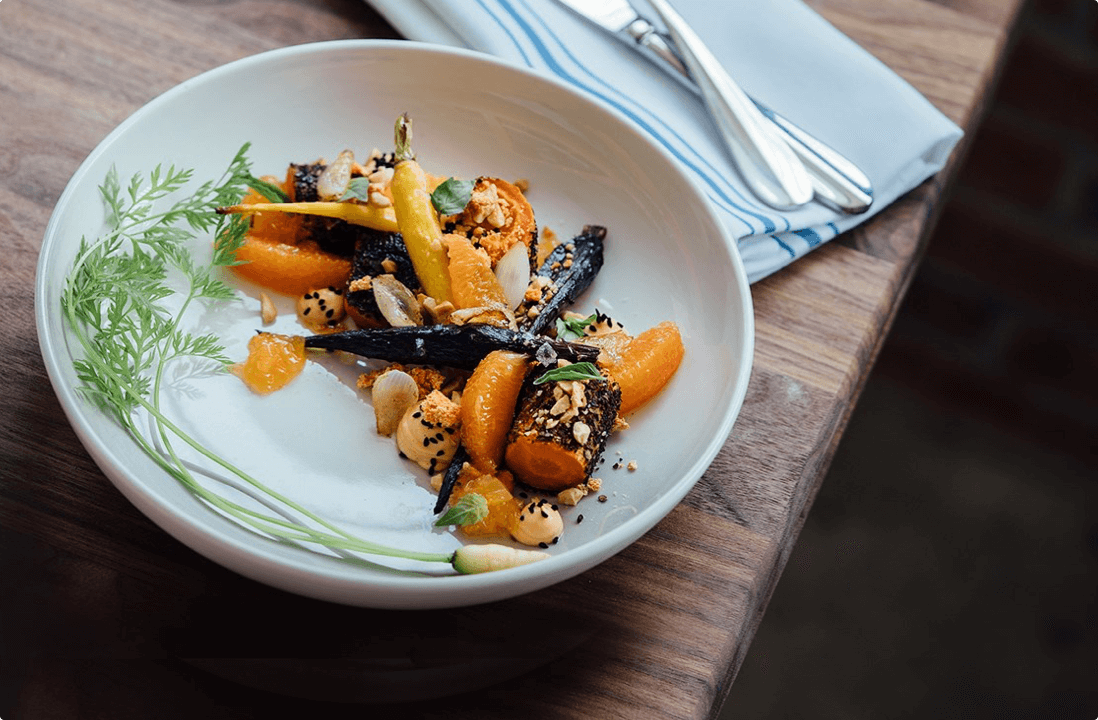
Savour the world of Shangri-La
Find flavourful inspirations and sweet rewards at over 500 restaurants & bars worldwide. Indulge in the delicious benefits and experiences we're serving up.
Business Travel

Shangri-La Business Travel Programme
At Shangri-La, as we understand how important connectivity, efficiency and comfort are to our business travellers, we have designed a set of benefits to help your company’s associates achieve their business goals wherever travel may take them.
Meetings & Events
From stunning locations to enterprising facilities, with our four distinct brands you will find the perfect venue to match your unique event.


Meetings & Events
Achieve more with every meeting and event you plan with us. Create priceless experiences that are engaging and productive.
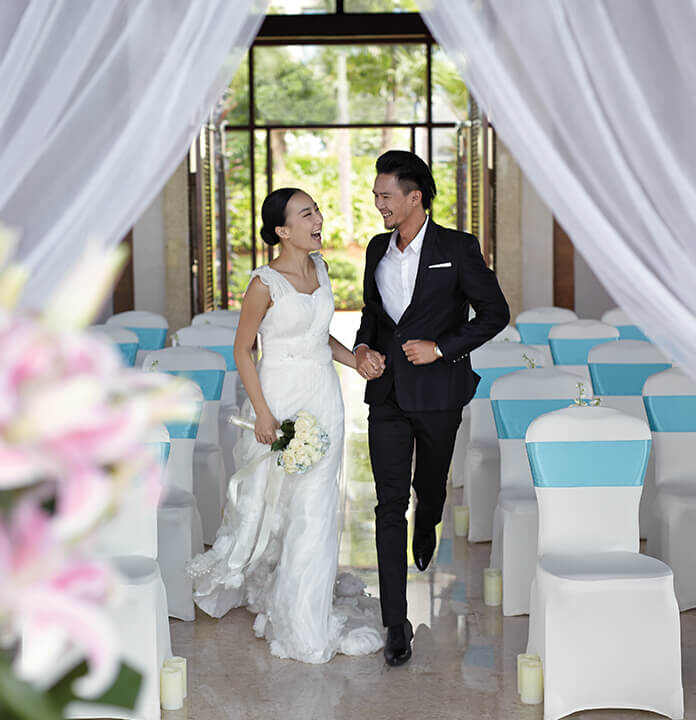
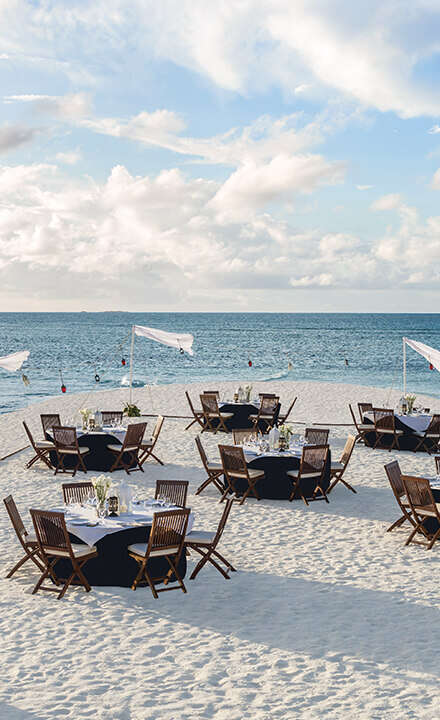
Weddings & Celebrations
A wedding is more than details, venues and visions, it is about moments. At Shangri-La we enable amazing experiences, so you can focus on what really matters. The moments shared with family and friends.
About Shangri-La Group










© 2024 Shangri-La International Hotel Management Ltd. All Rights Reserved. ICP license: 17055189