
Sports & Recreation
Naturally rejuvenating
with over 60 activities
Experience unforgettable moments at our Borneo Paradise. Explore a 64-acre forest reserve, enjoy thrilling sea sports like a catamaran, jet ski, kayaking, and more. Discover lush rainforests with expert guides on nature trails. Escape to sun, sand, and sea amidst Borneo's natural wonders.
Rasa Ria Reserve
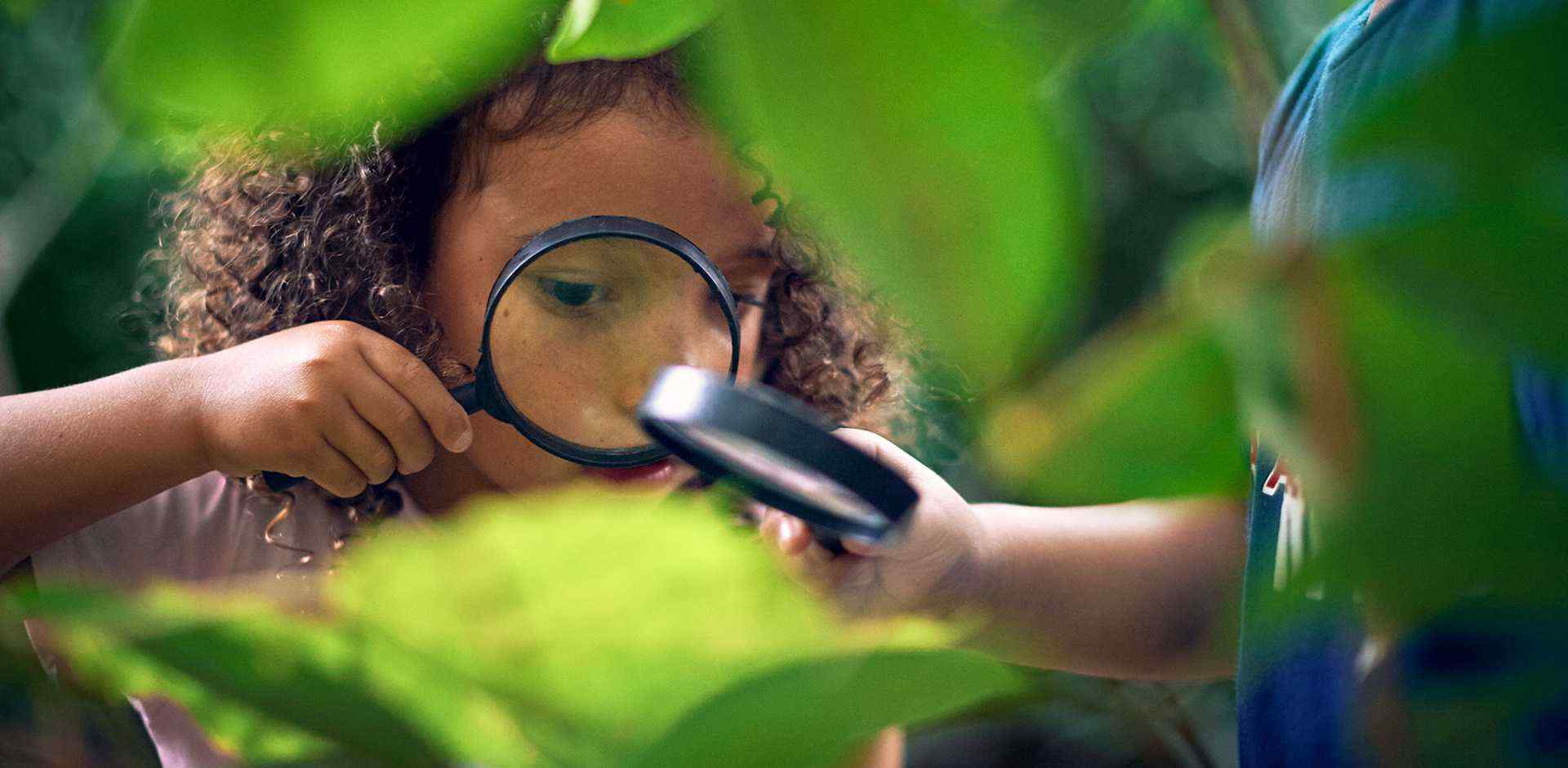
Rasa Ria Reserve
The Borneo wilderness begins just outside the resort, and offers the curious explorer many sights and adventures.
Resort Facilities

Resort Facilities
A stunning 3km white sandy beach, Pantai Dalit offers private expanses of amazingly soft, white sand.
Our swimming pool is for a cool dip within luxuriant gardens. You can enjoy refreshments and drinks at the adjacent Tepi Laut. A children’s pool is adjacent.
Recreation Activities

Recreation Activities
One-stop destination for all the amazing bucket list activities, watersports, and family-friendly fun activities in the area of the resort.
Water Sports
